This how to do handprint crafts guide brings all my tips and tricks together in one place so you don’t have to piece it together from scattered ideas. Whether you’re a parent at home or a teacher in a busy classroom, this is your complete starting point for making the most of your handprint craft projects.
So, if you’re new to handprint and footprint crafts and feeling a little overwhelmed or unsure on where to start, keep reading below:
What Are Handprint Crafts (and Why Kids Love Them)
Handprint crafts are simple (but fun!) art projects where a kid’s hand is used as a shape to create animals, seasonal designs, keepsakes, and more. Usually this is done by applying a layer of paint onto the hand and then pressing onto paper, but it can also be tracing around the hand and cutting it out too.
A hand can easily become a butterfly, reindeer, flower, or even a superhero, depending on how creative you want to get. (You can even use footprints and fingerprints too, if you want!) Allowing you to quickly turn a quick moment of messy fun into something meaningful.
What makes them so loved is the combination of play and memory-making. Kids enjoy the sensory experience of paint and touch, while grown-ups see something more lasting: a completely unique snapshot of a stage in life that passes oh-so-quickly.
They also have educational benefits as they support early development in a natural way that’s fun. Things like building fine motor skills, encouraging creativity, and helping kids explore shapes, colors, and coordination without pressure or perfection.
Supplies You Need for Handprint and Footprint Crafts
Getting set up doesn’t need to be complicated. Most handprint crafts use simple, affordable materials you may already have at home or in the classroom.
Basic Materials Checklist
Start with the essentials:
- Paper (Ideally thicker paper or cardstock for holding paint without warping or wrinkles)
- Washable, non-toxic paints
- Paper plates or trays for paint
- Baby wipes or damp cloths for quick cleanup
- Aprons or old T-shirts to protect clothing
While cardstock tends to give the cleanest results, especially if you plan to keep or display the finished craft. You shouldn’t feel like you need to splash on fancy paper or card just to get started. In fact, in some cases like using printable templates for your handprint crafts, you may find cardstock too tough for your printer, so always check the specs before you pay for new supplies.
Optional Extras for Better Results
These aren’t required, but they can make the process smoother and more fun:
- Sponges or soft brushes (for more even paint application)
- Stickers, glitter, markers, and other materials for decoration
- Wet wipes placed within arm’s reach (for faster turnaround with groups)
- Stamps or ink pads for alternative print styles

How to Make Clean Handprints Every Time (Step-by-Step)
Clean handprints come down to preparation, timing, and control, not perfection. The goal is to get a clear print on your crafts, not a flawless one.
Step 1 – Prepare Your Workspace
Cover your surface with newspaper, a craft mat, or use a surface that can be washed. (Paint can go through the paper, not just outside). Have everything ready before paint touches skin because once the kids are involved, things can get messy fast.
Step 2 – Apply Paint Evenly
Use a brush or sponge to apply a thin, even layer of paint so the skin is covered. Keep in mind that too much paint is the most common reason prints turn blurry or lose detail.
Step 3 – Position the Hand Correctly
Gently guide the hand into place. Fingers should be slightly spread unless your craft design requires otherwise. Once the hand touches the paper, avoid moving it.
Step 4 – Press and Lift Without Smudging
Press down evenly across the palm and fingers. Just light pressure is enough. Then lift the hand straight up without dragging. (Try to lift at 90 degrees angle to the surface.)
Step 5 – Drying and Cleanup Tips
It’s recommended to let the print dry fully before adding decorations or writing to prevent smudges. Use the baby wipes immediately to clean up and avoid paint spreading to unwanted places.
Common Mistakes and How to Fix Them
Most issues with handprint crafts are easy to solve once you know what causes them. Here’s a troubleshooting guide that I hope you’ll find useful:
| Problem | What Causes It | Easy Fix |
|---|---|---|
| Smudged prints | – Hand wiggled while pressing down – Hand or paper shifted while lifting | – Stabilize the print from wrist/palm to fingertips – Secure or hold paper down while lifting – Lift straight up slowly (90 degrees to surface) |
| Blurry prints / No print details / Overly wet print edges | – Too much paint applied – Or base paint maybe too thick | – Use a thin, even layer of paint – Lightly blot excess paint before applying – Try a sponge with paint or ink pads instead of a brush for easier control |
| Faint handprints | – Not enough pressure – Paint too thin / watery – Not enough paint – Paint color is too similar to background | – Press gently across palm and fingers – Try a different paint brand / type – Apply a slightly thicker coat of paint – Try a different color that’s more distinct to the background |
| Missing fingertips | – Fingers didn’t press fully against the paper – Paint didn’t cover the fingertips evenly | – Press each fingertip lightly before lifting – Check fingertips get an even coverage of paint |
| Paper sliding | – Smooth surfaces – Movement – Light paper types | – Tape paper corners down – Use a rubber, silicone, or non-slip craft mat – Use a heavier paper or card |
| Kids who won’t cooperate | – Sensory discomfort – Impatience – Boredom | – Let them watch first – Do one practice print – Let them do the grown-ups print first (turn it into a fun game) – Try sponges vs brushes (brushes tickle!) – Let them pair up with another kid to do it together – Try fingerprints, footprints, partial handprints, or just painting with a brush |
Best Ages for Handprint Crafts (What Works at Each Stage)
Handprint crafts can be adapted across a wide age range. The key is knowing what to expect depending on the age range.
Babies & Toddlers (Ages 0-3)
Expect imperfect prints (but still adorable!) The focus here is sensory and exploration rather than accuracy. Footprints often work better than handprints at this stage due to natural movement and wiggly fingers.
Preschoolers, Pre-K & Kindergarten (Ages 3-6)
This is the “sweet spot” for handprint crafts. Kids at this age can follow simple instructions, enjoy choosing colors, and begin enjoying crafts related to themes like animals or holidays.
Early Elementary & Primary School Kids (Ages 6-9)
At this age, kids can handle more detailed designs and layered crafts. They may also enjoy writing, adding decorations, cutting or completing multi-step projects. Often, they’ll also come up with creative additions to their crafts as well.
Classroom Group Tips for Teachers
- Work in small groups or stations
- Pre-pour and mix paints to reduce delays
- Use clear visual examples
- Allow drying space in advance (Clipping to drying lines can be both decorative and practical!)
- Keep baby wipes on each table, rather than centrally located

Creative Ideas for Using Handprint Crafts
Once you understand the basics, handprints become incredibly versatile. They can be adapted into seasonal projects, gifts, classroom displays, and keepsakes. Here’s some fun and easy ideas to help spark some inspiration while getting started:
Holiday Handprint Crafts
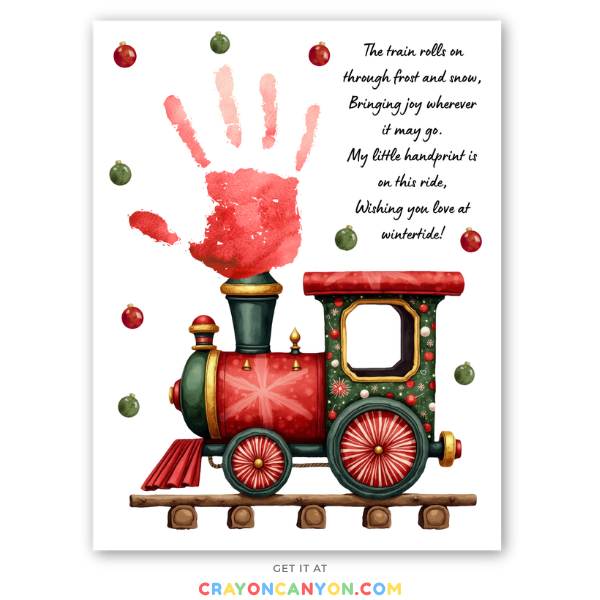
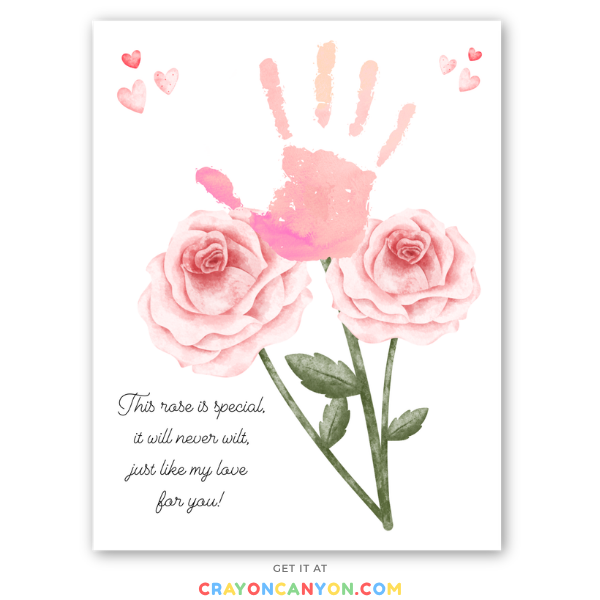
Holiday handprint crafts are some of the most popular keepsake activities for families and classrooms because they combine seasonal fun with meaningful memories. Such as:
- Christmas tree handprints
- Reindeer footprint crafts
- Halloween ghost handprints
- Easter bunny prints
- Mother’s Day flower bouquets
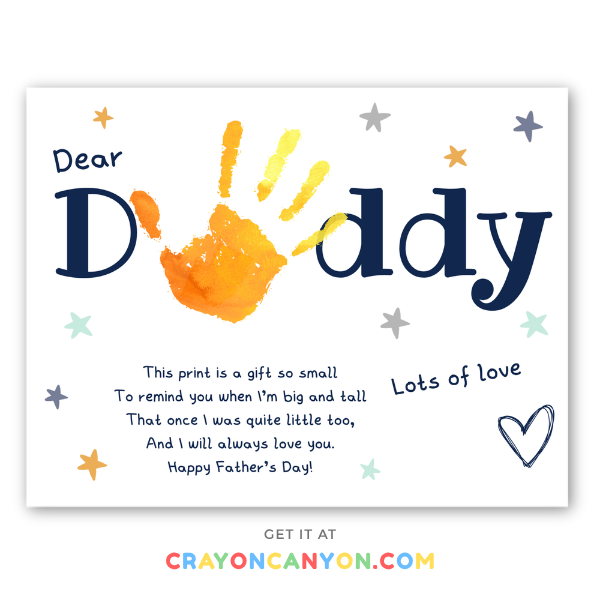
- Father’s Day sports-themed handprints
Each holiday theme is unique, like Christmas crafts tend to perform especially well as keepsakes because families often save them with holiday decorations.
Whereas Father’s Day handprint crafts are usually more successful when they match real interests like fishing, sports, grilling, or tools.
Pro Tip: For toddlers, footprint crafts are often easier than handprints during holiday projects because younger children naturally curl their fingers.
Seasonal Crafts
Seasonal crafts help keep activities fresh throughout the year and make it easier to rotate classroom displays or at-home art projects.
- Spring animals and flowers
- Summer beach scenes and sea creatures
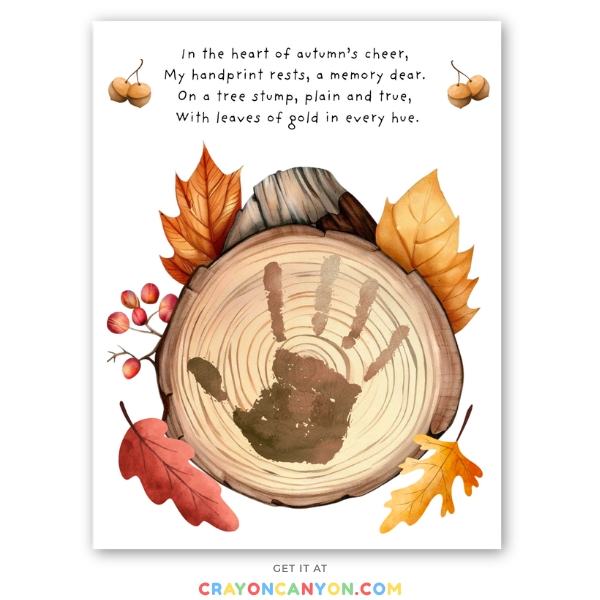
- Autumn leaves, owls, and harvest themes
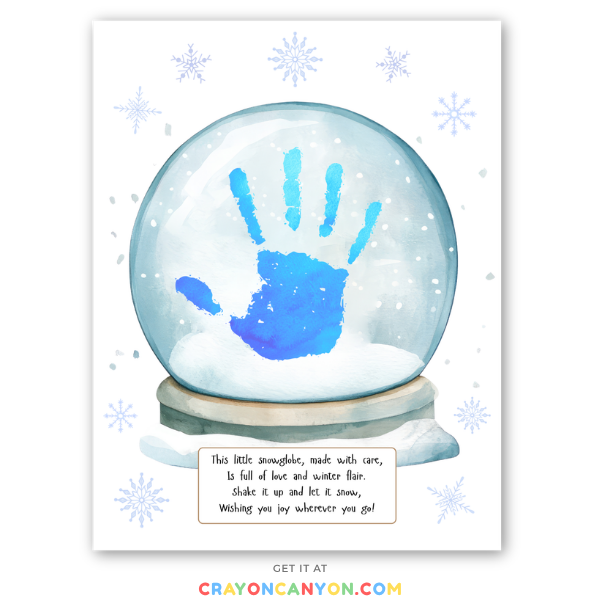
- Winter snowflakes, mittens, and snowmen
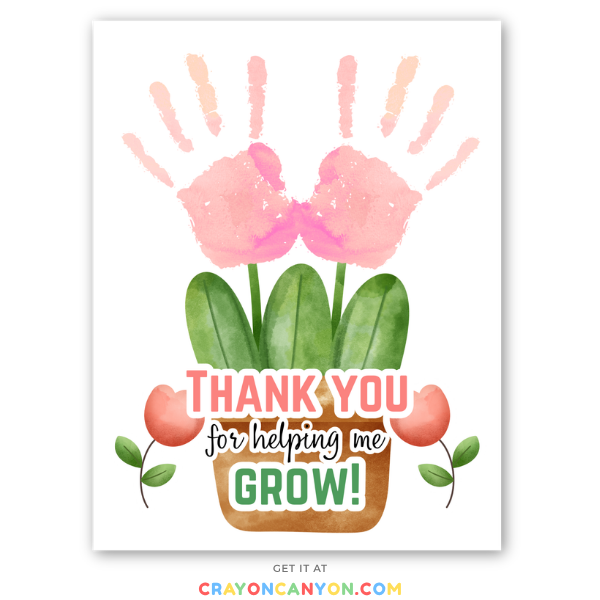
Seasonal crafts are especially useful for classrooms because they can double as bulletin board displays or monthly decorations. Even something as simple as a handprint with no background can easily make leaves or flowers for decoration, as every handprint is unique and yet similar in shape.
Check these fun seasonal handprint craft ideas.
Classroom Display Ideas
Handprint crafts work well for collaborative classroom projects because every child contributes something unique to the final display. Group displays might include:
- “All About Me” walls
- Class year memory boards
- Large class trees made from handprint leaves
- Smaller class trees made with fingerprints
- Seasonal rotating bulletin boards
- Name displays
- Collaborative story walls
- Hanging banners
These displays work especially well in early years classrooms where visual storytelling is more memorable. Also, group handprint displays help kids feel included because everyone contributes to the final project, making them extra fun!
It’s worth noting that large group projects usually work better when teachers pre-select paint colors (limited color palettes help keep things cohesive) and prepare drying areas ahead of time.
Explore easy classroom handprint craft ideas for preschool and elementary students.
How Teachers Can Use Handprint Crafts in the Classroom
Handprint crafts can be more than just art. They can also support curriculum goals and classroom routines.
They fit naturally into lessons about animals, seasons, family, emotions, and identity. A simple handprint can become part of storytelling or science exploration.
For example, you could:
- Do handprints for animals when covering topics like the zoo
- Make handprint leaves in various colors when covering seasons
- Create handprint lungs for science and the human body
For classroom management, breaking the activity into stations helps maintain the flow. One area for painting and printing, one for cleanup, and one for drying keeps things organized and reduces waiting time.
These types of crafts also work well as take-home gifts, which adds meaning for families while keeping classroom projects purposeful. Things like Mother’s Day, Father’s Day, and Christmas are perfect opportunities for this.
Printable Handprint Crafts vs DIY Handprints (What to Choose?)
Both approaches have value depending on time and outcome.
DIY handprint crafts offer flexibility and spontaneity, but results can vary widely between children, especially in group settings. They also require significant prep time.
Printable templates provide structure and consistency. They reduce preparation time, guide placement, and help ensure the final result looks polished, even with mixed age groups.
For busy parents and teachers, templates often remove the “guesswork” and a lot of the “preparation” stage, making the activity easier to repeat with less stress. This is especially useful when working with themed collections or classroom projects with multiple kids.
So, if you’re new to handprint crafts, I recommend starting with printable handprint crafts first. Once you feel more confident, you can experiment with DIY handprint crafts if you want. Just keep in mind they are more time-consuming, work better with slightly older kids, and results will vary a lot more.
Frequently Asked Questions About Handprint Crafts
What paint is safest for toddlers?
Non-toxic, washable, water-based paints are the safest option for young children.
How do I stop paint smudging?
Use thin paint layers and lift the hand straight up without sliding.
Can I do handprints without paint?
Yes, ink pads, crayons (traced outlines), or even salt dough impressions can be used as alternatives. Some of these you can even combine with printable handprint craft templates.
How do I preserve handprint crafts?
Store flat in folders, laminate finished pieces, or frame special keepsakes. Avoid moisture and direct sunlight. If laminating, test your paint and paper combination on non-keepsakes first, and make sure everything is 100% dry first.
Get Started with Ready-to-Use Handprint Craft Printables
Once you’re familiar with handprint crafting, the next step is making the process easier and more repeatable.
Printable handprint templates remove setup time, provide ready-made themes, and help ensure consistent results across different ages and group sizes. They are especially useful when you want a polished outcome without designing each project from scratch.
If you’re working through seasons, holidays, or classroom themes, structured packs can save significant preparation time while keeping activities engaging and varied.
Explore these themed collections designed to make handprint crafting faster, simpler, and more consistent for both home and classroom use.